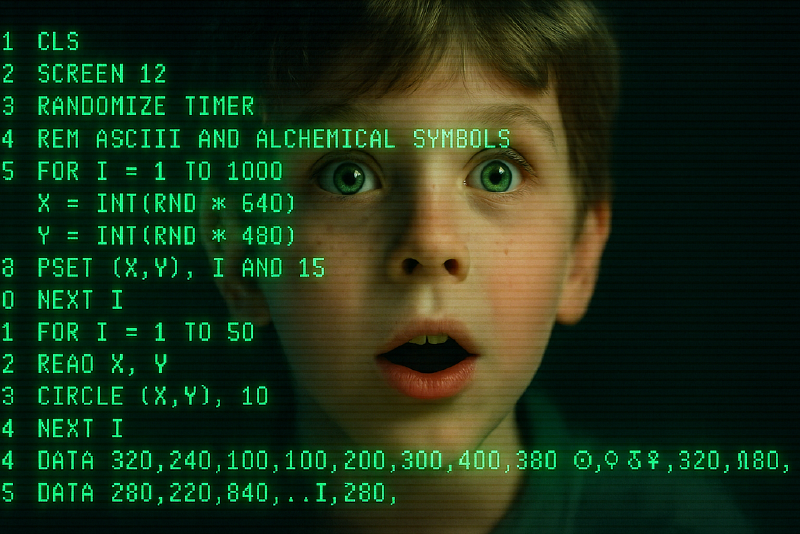
Before an application could be summoned with a prompt, a blinking cursor could feel like an invitation to discover an entire world. Finding GORILLA.BAS in a text editor turned a game into something I could read, change, and break.
In Millennial Developer Nostalgia, I retrace that experience through the tools that followed: C++ and its compilation rituals, pointers and crashes, Pascal, Assembly, C#, Java, Ruby, and the vast shared workshop of Stack Overflow. Each step changed how quickly I could build something and how directly I encountered the machinery underneath.
Frameworks made familiar tasks convenient, but also made their costs easier to overlook. Language models take that convenience further: code can arrive before we have worked through the problem ourselves. The essay asks what becomes of the craft when generating a solution requires less familiarity with its construction.
There is possibility in that same change. A model can be asked to explain internals, compare alternatives, and help investigate why something fails. The old habit of opening the source and experimenting can survive in a different environment.
This is a personal introduction to that argument, full of affection for unruly tools and instructive mistakes. The complete article returns to the curiosity behind the green screen: the desire to understand a program well enough to take it apart and make it your own.