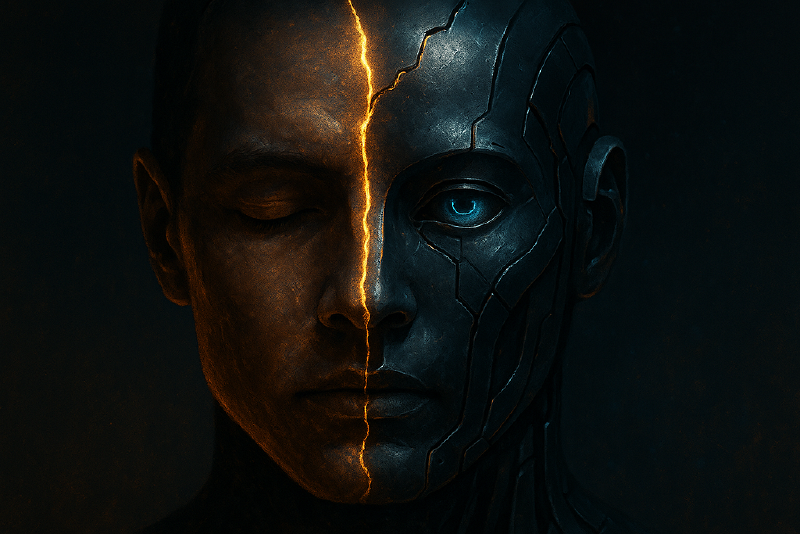
We make mistakes, adapt, and sometimes learn. Yet when a machine fails, we can treat a single error as proof that it should never have been trusted. There is a curious asymmetry in the standards we apply to ourselves and to the systems we build.
In The perfection delusion: the human in the machine, I examine the cultural appetite for infallibility. The essay follows perfection from a philosophical ideal through industrial discipline to the everyday performance of being correct, consistent, and beyond reproach online.
AI makes this expectation especially visible. We ask it to remove uncertainty, then recoil when its outputs reveal flaws familiar from human behavior. The article connects that reaction with our discomfort at seeing imperfection reflected back by technology, and with the way an enduring digital record can leave little room for context or personal change.
Accepting that error exists still leaves us responsible for examining its consequences. The question is how to build trust that can survive evidence of fallibility while leaving room for correction, judgment, and learning.
The full essay is a deliberately provocative reflection on the distance between pursuing better systems and demanding impossible purity. It asks what happens when perfection stops helping us choose a direction and becomes a standard that neither humans nor their machines can live up to.